
The Road to Autonomous Vehicles: Progress, Challenges, and Industry Shifts
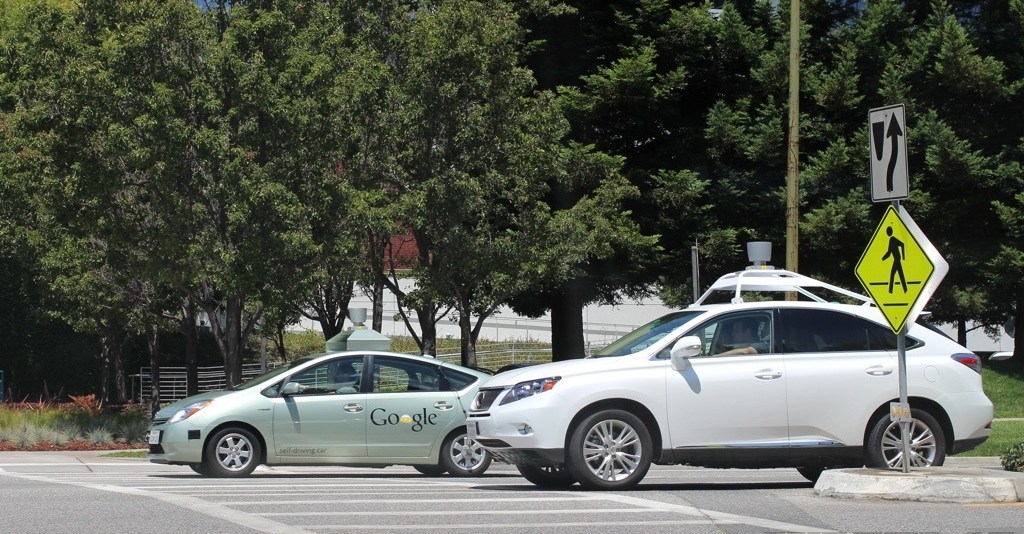
Google and several automakers are pushing forward in the development of self-driving cars, which are now legally allowed in three U.S. states. Google’s fleet has logged over 300,000 miles, but the transition to widespread adoption faces legal, ethical, and technological challenges. The industry has seen major shifts, including General Motors’ recent decision to shut down its Cruise robotaxi service due to high costs and regulatory hurdles. Instead, GM will focus on developing privately owned autonomous vehicles.
Waymo, another major player, has had both successes and setbacks, including expanding its services in Los Angeles and implementing safety updates to reduce excessive honking in San Francisco. However, federal investigations into autonomous vehicle crashes and traffic law violations highlight the ongoing safety concerns. Public skepticism remains a significant barrier, as incidents involving self-driving cars tend to attract widespread attention, fueling fears about their reliability.
Despite these challenges, companies like Waymo and Amazon-backed Zoox continue to expand testing in multiple cities, aiming to make autonomous vehicles a mainstream reality. The industry is at a crossroads, balancing technological progress with financial sustainability and public trust, as it moves from experimental testing toward broader commercial deployment.